


 International Journal of Molecular Sciences
The Calcium/Calmodulin-Dependent Kinases II and IV as therapeutic targets in neurodegenerative and neuropsychiatric disorders
The takeaway
Calcium/calmodulin-dependent kinases II and IV (CaMKII and CaMKIV) play key roles in regulating synaptic plasticity, memory, and mood. When dysregulated, they are linked to psychiatric and neurodegenerative diseases, highlighting their potential as targets for therapies aimed at mood stabilization and cognitive improvement.
The science
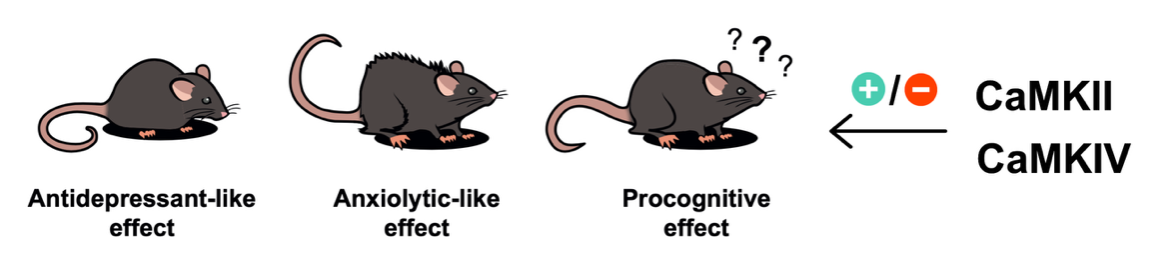
CaMKII and CaMKIV are vital calcium-responsive kinases that convert neuronal activity into changes in plasticity, mood, and cognition. CaMKIIα supports memory, resilience, and normal affect, with its loss resulting in depressive- and anxiety-like behaviors. Conversely, CaMKIIβ overactivity in the hippocampus and lateral habenula increases stress sensitivity and contributes to mood and anxiety issues. Antidepressants and fast-acting treatments like ketamine target CaMKII signaling to restore balance. CaMKIV, mostly found in the hippocampus and cortex, activates CREB-mediated transcription; its reduction leads to depression and anxiety-like behaviors, while its activation encourages neurogenesis, stress resilience, and improved cognition. Dysregulation of these kinases is also linked to Alzheimer’s disease, where it contributes to synaptic dysfunction and memory decline.
Why it matters
Targeting CaMKII and CaMKIV could yield novel therapies that not only treat mood symptoms but also directly restore cognitive function in psychiatric and neurodegenerative diseases.
Original article
https://doi.org/10.3390/ijms22094307
Our other publications
The initiative focuses on promotion techniques that can revolutionize traditional research approaches pharmaceuticals.

 Frontiers in Pharmacology
 Medicinal Research Reviews
